Room Mood Recipes

Create specific atmospheres like a recipe for your home

The Art of Atmosphere
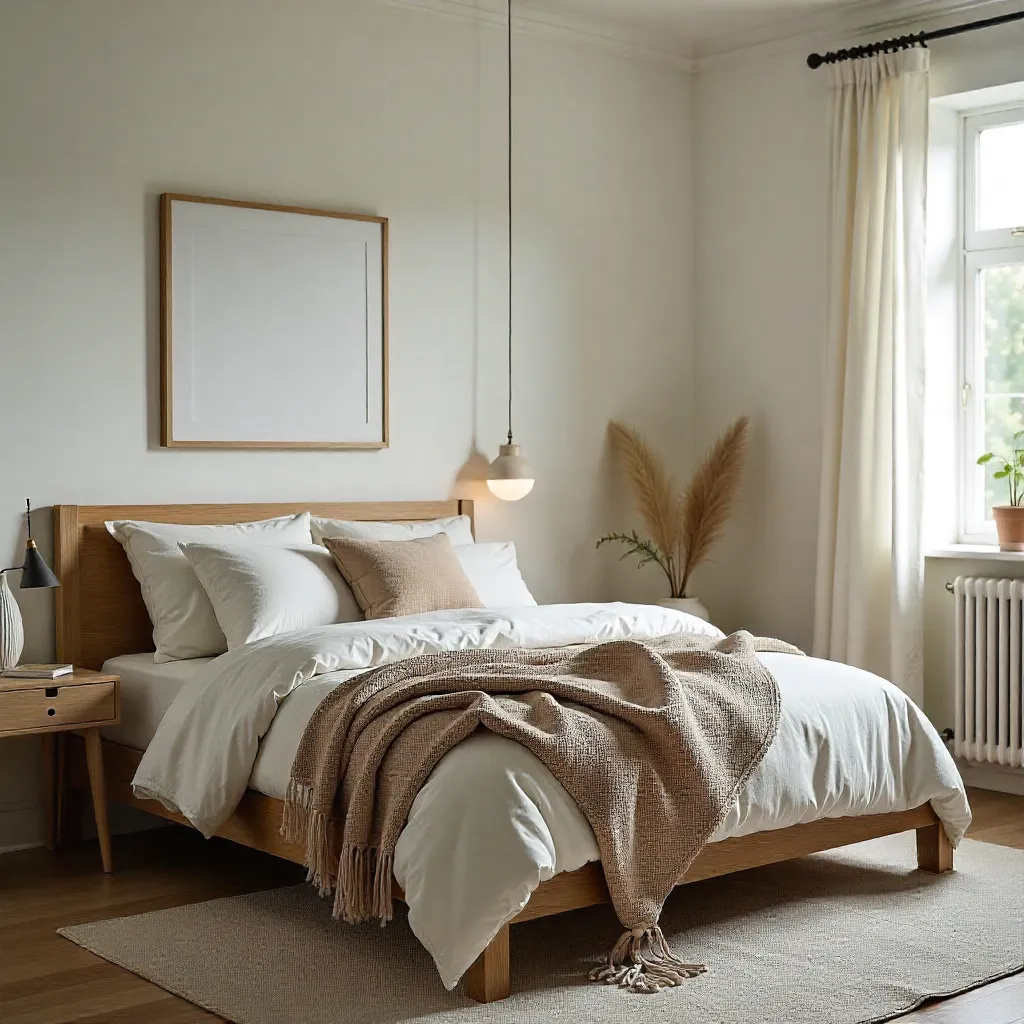
Serene bedroom atmosphere designed for rest

Just as a recipe combines specific ingredients to create a desired dish, a room mood recipe combines design elements to create a specific atmosphere. Each recipe includes lighting, colors, textures, scents, furniture placement, and mindful rituals that work together to support your emotional needs.

Whether you need a space for deep rest, morning energy, emotional balance, or evening calm, these recipes provide a complete guide for transforming any room into the atmosphere you desire.

Recipe for Restfulness
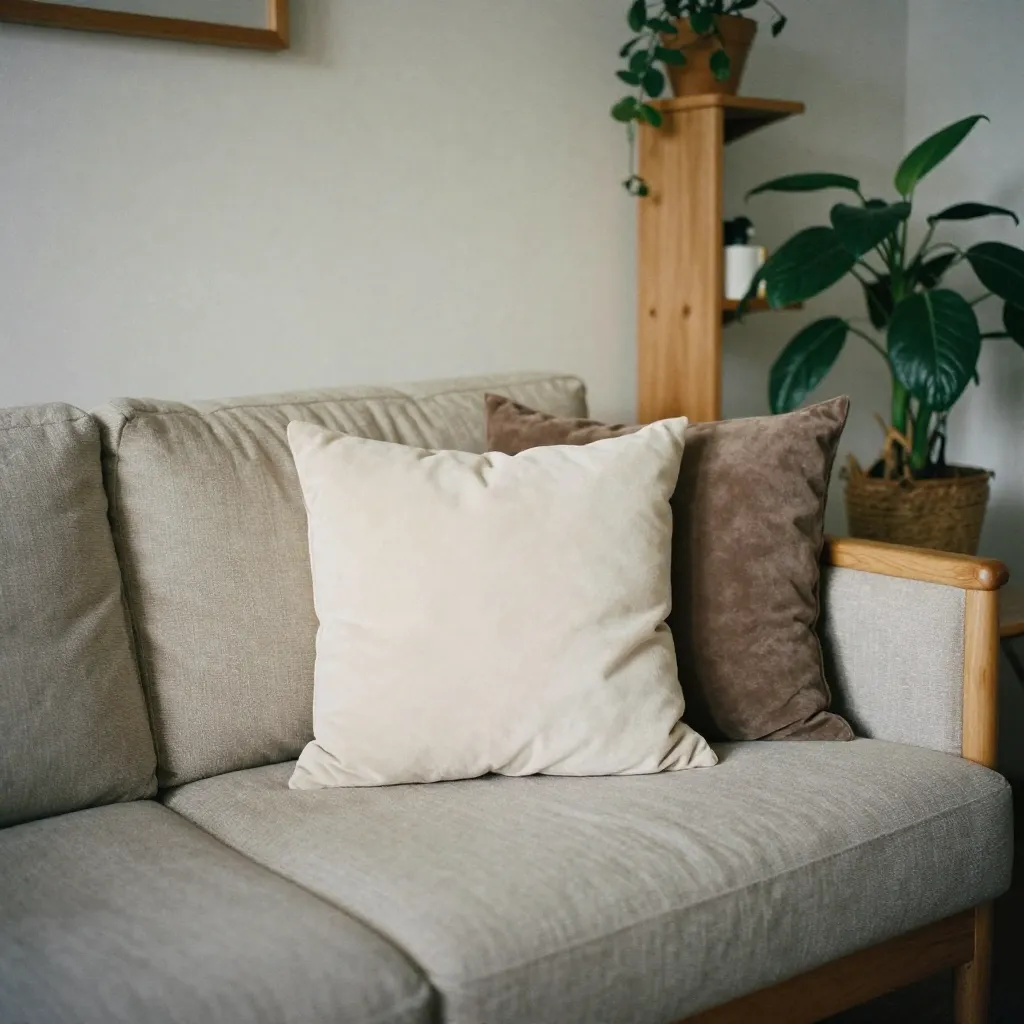
Lighting: Soft, warm ambient lighting with dimmable options. Avoid harsh overhead lights. Use table lamps with warm bulbs (2700K) and consider candlelight for evening.
Scents: Lavender, chamomile, or sandalwood essential oils. Use a diffuser or natural candles. Avoid synthetic fragrances that can be overwhelming.
Textures: Soft, plush fabrics like velvet, cashmere, or high-quality cotton. Layer blankets and cushions for comfort. Include natural materials like wool or linen.
Colors: Muted, warm tones: soft sage green, warm beige, dusty rose, or gentle terracotta. Avoid bright or cool colors that stimulate alertness.
Furniture Placement: Create a sense of enclosure and safety. Position furniture to create cozy nooks. Ensure the bed or main seating faces away from doors for a sense of security.
Mindful Rituals: Evening wind-down routine: dim lights one hour before rest, practice gentle stretching, read calming literature, or listen to soft instrumental music.
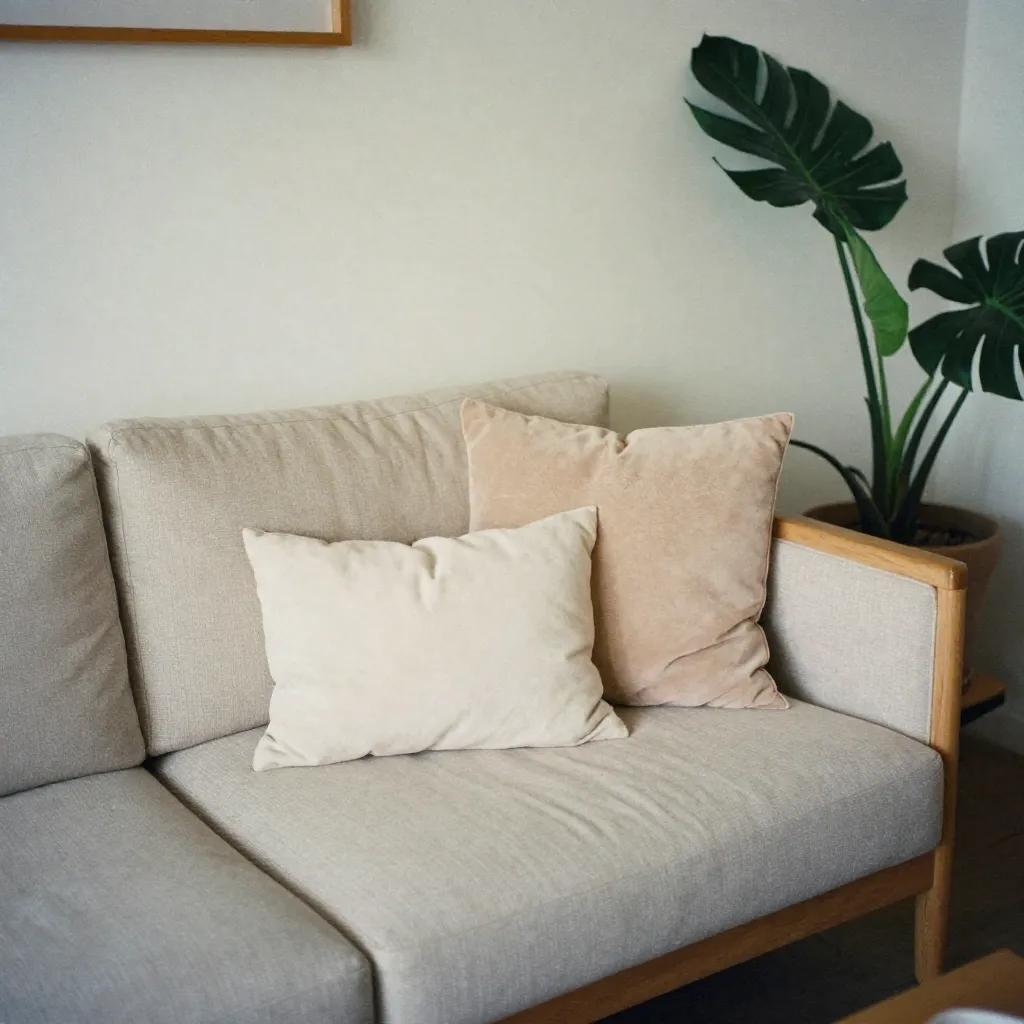
Restful living space with warm lighting and soft textures
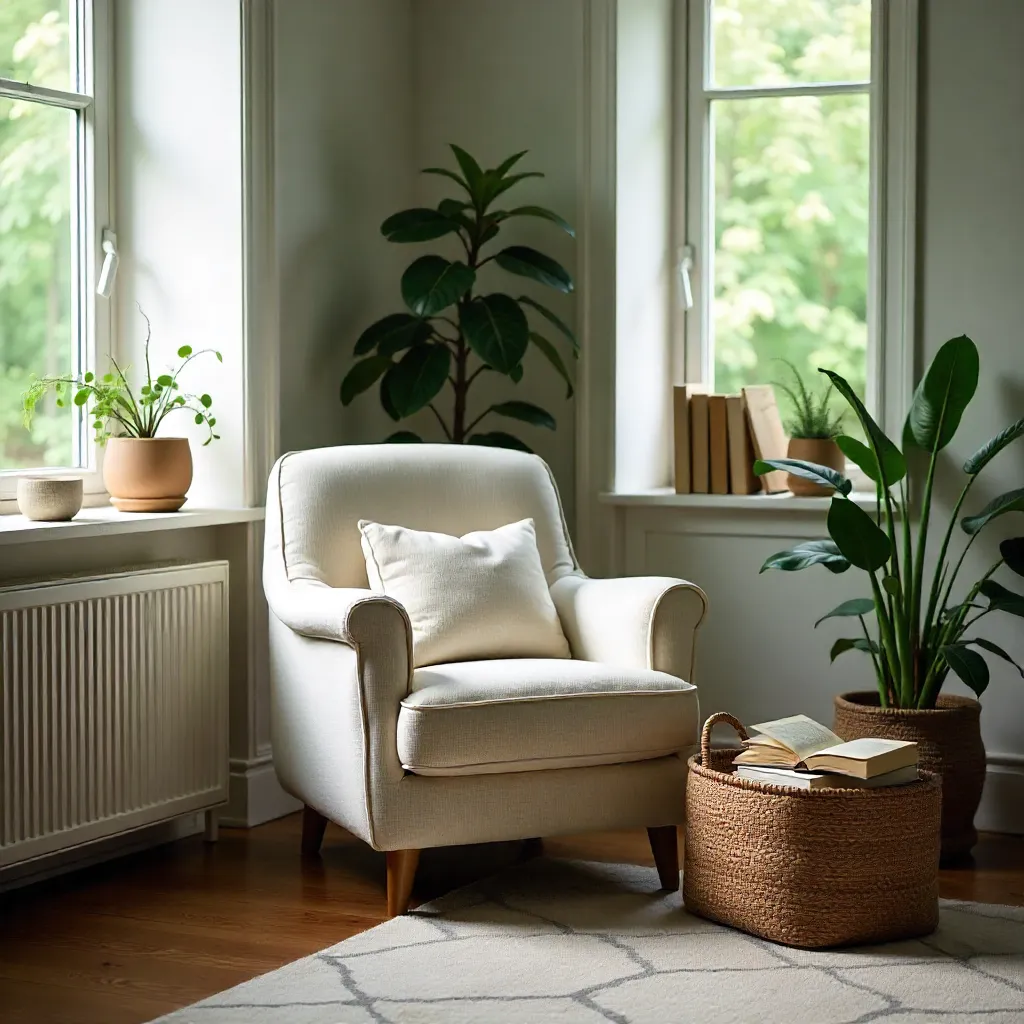
Balanced room design promoting emotional harmony

Recipe for Emotional Balance

Lighting: Natural light during the day, supplemented with full-spectrum lighting. In evening, use warm white bulbs. Include both task and ambient lighting options.
Scents: Balancing scents like bergamot, ylang-ylang, or frankincense. These promote emotional stability and reduce stress. Use sparingly to avoid overwhelming.
Textures: Mix of textures: smooth surfaces for calm, natural fibers for grounding. Include both soft and firm elements to create balance.
Colors: Neutral base with gentle accent colors. Think warm grays, soft sage, and muted terracotta. Avoid extremes—aim for harmony between warm and cool tones.
Furniture Placement: Create symmetry and balance. Arrange furniture to support both activity and rest. Include a dedicated quiet corner for reflection.
Mindful Rituals: Daily moments of pause: morning meditation, afternoon tea break, evening gratitude practice. Create small rituals that anchor your day.

Recipe for Morning Energy

Lighting: Maximize natural light. Use light-colored window treatments that allow sunlight in. Add bright, cool-white task lighting for morning activities.
Scents: Energizing scents like citrus (lemon, orange, grapefruit), peppermint, or eucalyptus. Use fresh plants or natural essential oils.
Textures: Crisp, clean fabrics like fresh cotton or linen. Smooth surfaces that feel invigorating. Avoid heavy, plush textures that encourage lingering.
Colors: Light, bright colors: soft whites, pale yellows, light sage green, or gentle sky blue. These promote alertness and positivity.
Furniture Placement: Open, uncluttered arrangement that encourages movement. Position seating to face windows for natural light. Keep surfaces clear for morning activities.
Mindful Rituals: Morning activation: open curtains immediately, practice gentle movement or stretching, enjoy a warm beverage while facing natural light, set daily intentions.
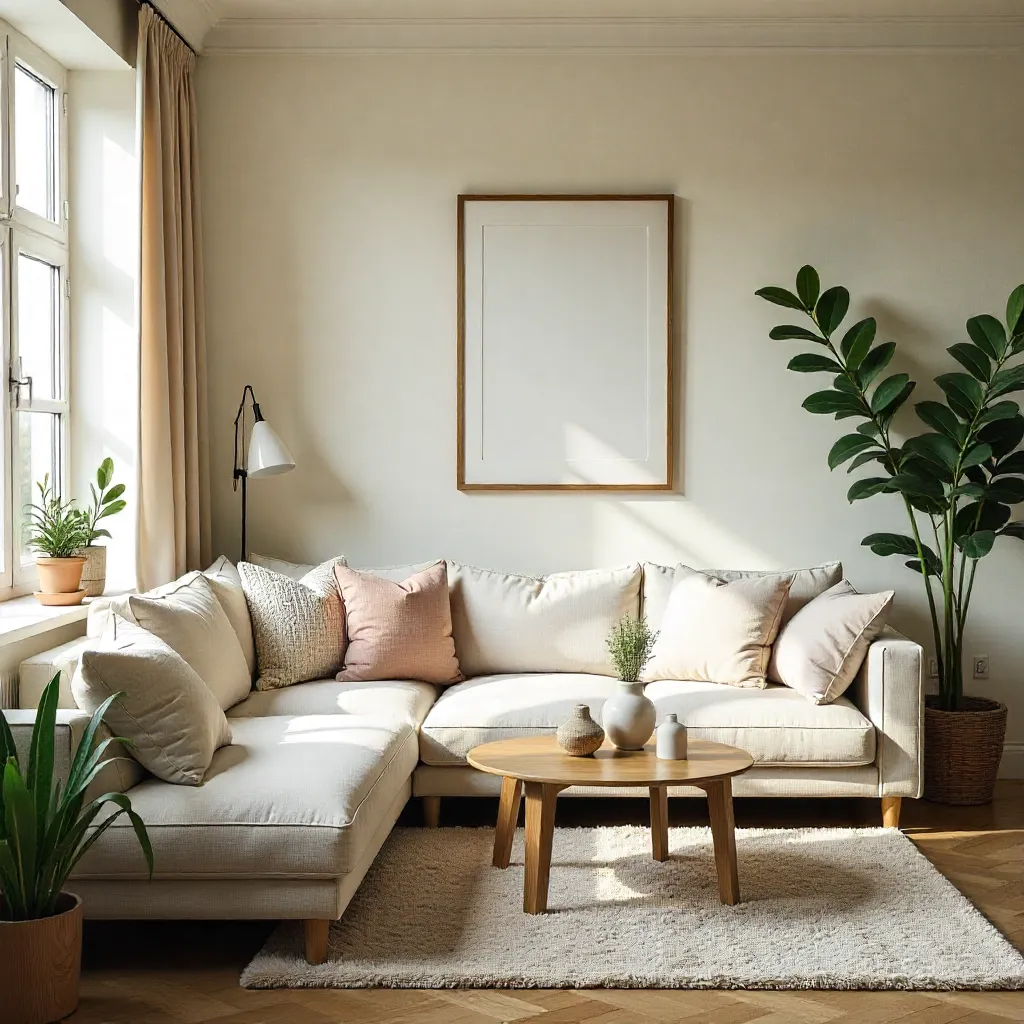
Bright morning space with energizing design elements
Evening space designed for calm and relaxation

Recipe for Evening Calm

Lighting: Warm, dimmable lighting that gradually reduces brightness. Use table lamps, floor lamps, and candles. Avoid blue-tone lights that disrupt sleep.
Scents: Calming scents like vanilla, cedarwood, or clary sage. These promote relaxation and signal to your body that it's time to wind down.
Textures: Soft, comforting textures: plush throws, velvet cushions, natural wool. Create a cocoon-like feeling that invites relaxation.
Colors: Deep, warm tones: rich terracotta, warm charcoal, deep sage, or muted burgundy. These colors feel grounding and protective.
Furniture Placement: Create intimate seating areas. Position furniture for comfort and connection. Include surfaces for placing warm beverages and books.
Mindful Rituals: Evening transition: dim lights gradually, practice gentle breathing, enjoy herbal tea, read calming literature, reflect on the day with gratitude.

Customizing Your Recipes

These recipes are starting points—feel free to adjust ingredients based on your personal preferences, space constraints, and emotional needs. The key is understanding how each element contributes to the overall atmosphere and making intentional choices that support your well-being.

Experiment with different combinations, observe how different elements affect your mood, and refine your recipes over time. Your home should evolve with you, always supporting your current needs for peace, energy, balance, and calm.

Privacy & Cookies

We use cookies to enhance your browsing experience. By continuing to use this site, you consent to our use of cookies. Learn more